Cooking grease leaves the pan as a fine mist, rises with the steam and settles on the first cool surface it meets. That is why the underside of the hood and the cabinet doors beside the stove turn tacky long before the rest of the kitchen. Hot water with a few drops of dish soap removes most of it. The work goes faster if the hood filter soaks in the sink while you clean everything else, and if you go from the highest greasy surface down to the floor so drips land on parts you have not done yet.
The film builds up in places you rarely look at
Run a dry fingertip over these spots. If it drags or comes away yellow, the surface needs degreasing, not just a wipe.
- the underside of the range hood, around the light and the fan opening;
- the tops of upper cabinets and anything stored on them;
- the upper and lower doors on either side of the cooktop, which take more than the doors across the room;
- handles and knobs, where grease from hands mixes with the cooking film;
- backsplash grout lines and the edge where the backsplash meets the counter;
- the wall and the side of the cabinet next to the range, down to the toe-kick under it;
- the control knobs and the front edge of the cooktop.
A kitchen that is used every day collects the most along a band roughly as wide as the hood and as tall as the upper cabinets. Clean that band first if you only have an hour.
How you wash the hood filter depends on what it is made of
Pull the filter out before you start, once the cooktop is cold and the fan is off. Most filters slide or clip out from underneath. The hood's manual, often printed inside the hood or available from the maker online, overrides the general advice below.
Aluminium mesh filters
These are the layered metal screens found in most apartment and condo hoods. Soak them in the hottest water from the tap with dish soap for 15 minutes, then brush both sides with a soft brush, working with the grain of the mesh. Avoid oven cleaner and other strong alkaline products on aluminium: they can darken or eat into the metal. Some manuals allow the dishwasher, but aluminium often comes out dull grey.
Stainless steel baffle filters
Heavier panels with angled slats, common on larger and chimney-style hoods. They take a longer soak and firmer scrubbing, and they usually tolerate a dishwasher cycle if the manual says so. Brush along the slats, not across them, so you reach the grease trapped in the folds.
Charcoal filters in recirculating hoods
If the hood blows air back into the kitchen instead of outside, there is usually a charcoal or carbon filter behind the metal one. Water ruins most of them. The maker's manual gives a replacement interval; wash only the metal grease filter in front of it.
One evening, from the hood down
This order keeps the filter soaking while you work and stops drips from undoing a finished surface.
- Open a window or run a fan, clear the counter under the hood and the tops of the upper cabinets.
- Fill the sink or a basin with hot water and dish soap and put the filter in to soak.
- Wipe the inside of the hood and around the fan opening with a cloth wrung out in the same soapy water. Dry with a second cloth.
- Do the outside of the hood. On stainless steel, wipe in the direction of the brushed lines.
- Clean the cabinet tops, then the doors and handles on each side of the stove, top to bottom.
- Wash the backsplash, using a soft brush on the grout lines and the joint with the counter.
- Brush and rinse the filter, shake it off, and let it dry completely before it goes back in.
- Finish with the cooktop, its knobs, the side of the cabinet next to the range and the toe-kick.
- Wipe every surface once more with a cloth dipped in clean water, then dry it. Soap left on a surface attracts the next layer of grease faster.
Match the cleaner to the cabinet finish
Grease comes off most finishes with soapy water and patience. The finish decides how much water, rubbing and strength it can take, so test anything stronger on the inside of a door first.
| Finish | Works | Keep away |
|---|---|---|
| Painted wood or MDF | Warm soapy water on a soft microfibre cloth; a baking soda and water paste on a stubborn spot, with light pressure | Scouring pads, magic erasers on flat or matte paint, cloths so wet that water runs into the joints |
| Thermofoil and laminate | Mild soapy water and a quick dry; it is the easiest finish to degrease | Heat near the edges, solvents, anything that could lift the film along the door edge |
| Stained wood with a clear lacquer or varnish | Soapy water, then a cloth with clean water and a dry towel right after | Long soaks, vinegar mixes left to sit, ammonia cleaners that can cloud the clear coat |
| High-gloss doors | Soapy water and a very soft cloth, wiping in straight lines | Any powder or paste, which leaves fine scratches you see in the light |
| Stainless steel and metal handles | Soapy water, then a dry cloth along the grain | Bleach and chlorine products, steel wool |
If a painted door still feels tacky after two passes, the grease may have softened the paint itself. Stop rubbing; more effort will take the colour off before it takes the film.
Two rules from Health Canada and the City of Toronto
The urge on a greasy kitchen is to reach for the strongest bottle under the sink and then pour the dirty water down the drain. Both steps have official guidance.
NEVER mix bleach with other chemicals especially with glass cleaners, other products containing ammonia or acids such as vinegar.
That line is from Health Canada's page on using household chemicals safely. The same page says never to mix household chemical products together, because some mixtures produce harmful gases, and to keep the room ventilated with an open window or exhaust fan. It also explains the hazard symbols: a corrosive symbol, which many oven cleaners carry, means the product can burn your skin or eyes, and its label lists the gloves or goggles to wear. Use one product at a time, and rinse the surface with clean water before you try a different one.
Grease you wash off does not belong in the sink either. The City of Toronto's page on what not to flush or pour down the drain says fats, oils and grease cool, harden and stick to the inside of pipes, and that over time they block private plumbing and City sewers. Its disposal steps are short:
- let grease cool and harden, then put it in the Green Bin;
- wipe small amounts off pans with paper towel before washing, and put the paper towel in the Green Bin;
- use a drain strainer to catch solids;
- take large amounts of cooking oil to a City Drop-Off Depot or Community Environment Day.
The same page lists cleaners, bleach and disinfectants as household hazardous waste that should never go down a sink. For the filter soak, scrape the thick grease off the filter onto paper towel before it goes in the water, and the basin will hold far less of it.
Where a deep clean takes over in the kitchen
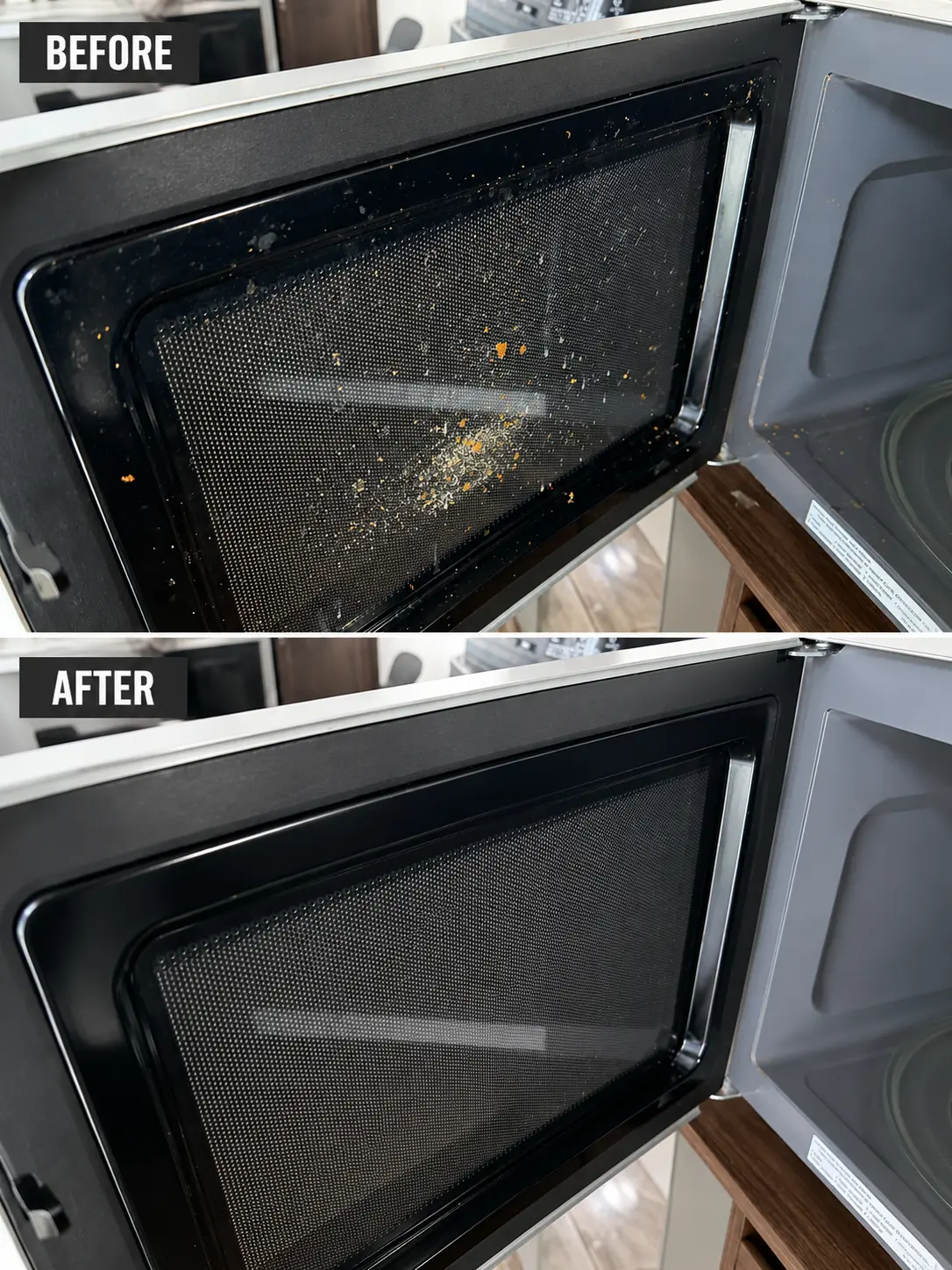
The kitchen list on PavMa's deep cleaning page includes cleaning the range hood and the backsplash, removing normal grease and buildup, cabinet fronts, handles and drawer fronts, kitchen baseboards and toe-kicks under the cabinets, plus the cooktop and burners, the microwave interior and the oven inside and outside. Cabinet and drawer interiors can be added by request with additional time. Once the heavy layer is gone, a routine house cleaning visit keeps the kitchen from getting back to that point, and the article on choosing deep or regular cleaning for a first visit explains which one to start with.
When you request a quote, mention painted or high-gloss cabinets and anything the team should avoid, and send photos of the hood and the doors beside the stove on WhatsApp so the right amount of time is planned. Visits are booked Monday to Saturday, 8 AM to 7 PM, through the deep cleaning quote form or by calling 437-889-1213.
Filters, vinegar and painted doors in a greasy kitchen
Can I use vinegar on greasy painted cabinets?
Diluted vinegar cuts some grease, but it can dull some paints and clear coats if it sits. Start with warm water and dish soap, and if you want to try vinegar, test it inside a door and rinse it off with clean water.
How often should a range hood filter be washed?
It depends on how much frying and searing the household does and on the hood maker's manual. A filter that feels sticky or looks yellow-brown through the mesh is due, and a clogged filter pulls less air through the hood.
Is it safe to put a range hood filter in the dishwasher?
Many stainless baffle filters can go in if the manual allows it. Aluminium mesh filters often come out dull or darkened, and charcoal filters in recirculating hoods should not get wet at all, so check the manual for your model.