
The boxes are out, the keys are due back, and one question is left: how clean does the unit have to be? Ontario's tenancy law answers it in two short sections, and they draw a line worth knowing before move-out day. Cleaning is one question. Damage is another.
The rule in Ontario is ordinary cleanliness, unless your lease says the landlord cleans
Section 33 of the Residential Tenancies Act, 2006 makes the tenant responsible for the ordinary cleanliness of the rental unit. The same section has one exception: where the tenancy agreement requires the landlord to clean, that cleaning is the landlord's.
So the first document to open is your lease. If it puts some or all of the cleaning on the landlord, section 33 does not move that work to you. If the lease says nothing about cleaning, the standard is the one in the Act: ordinary cleanliness. The Act states it as a standard, not as a list, which is why the practical answer works room by room.
Cleaning removes buildup; it does not repair damage
Section 34 deals with a different thing. The tenant is responsible for repairing undue damage that the tenant, another occupant or someone the tenant let into the building caused wilfully or negligently. A clean can take care of grease, soap scum and dust. It cannot take care of a burn, a crack or a hole, and it helps to sort each problem into the right column before the last week.
| Where | A move-out clean deals with | Cleaning will not change |
|---|---|---|
| Kitchen | Grease on the range hood and backsplash, crumbs in drawers, the inside of the oven, fridge and microwave | Burn marks on a countertop, a cracked cooktop, chipped enamel |
| Bathroom | Soap residue, normal limescale, tile and grout, shower glass and its tracks | Cracked tiles, fixture finishes that are etched or worn through |
| Walls and trim | Dust on baseboards, door frames, switches and handles | Holes, gouges, paint worn down to the drywall |
| Floors | Vacuuming and mopping, including under furniture that is still accessible | Scratches in hardwood, burns or permanent marks in carpet |
Whether a particular mark counts as undue damage is for the landlord and tenant to settle, and in the end for the Landlord and Tenant Board, not for a cleaner. What a thorough clean does is take the buildup away, so the real condition of the unit is easy to see for both sides.
Ontario has no damage deposit to hold back
Under section 105, the only security deposit an Ontario landlord may collect is a rent deposit. There is no separate cleaning deposit or damage deposit that a landlord can keep at move-out.
If a landlord believes a tenant or former tenant caused undue damage wilfully or negligently, section 89 lets the landlord apply to the Landlord and Tenant Board for the reasonable cost of repairing or replacing what was damaged, and the Board decides the application. This article describes what the Act says; it is not legal advice. The Landlord and Tenant Board publishes its own guides for tenants and landlords.
What gets missed on move-out day
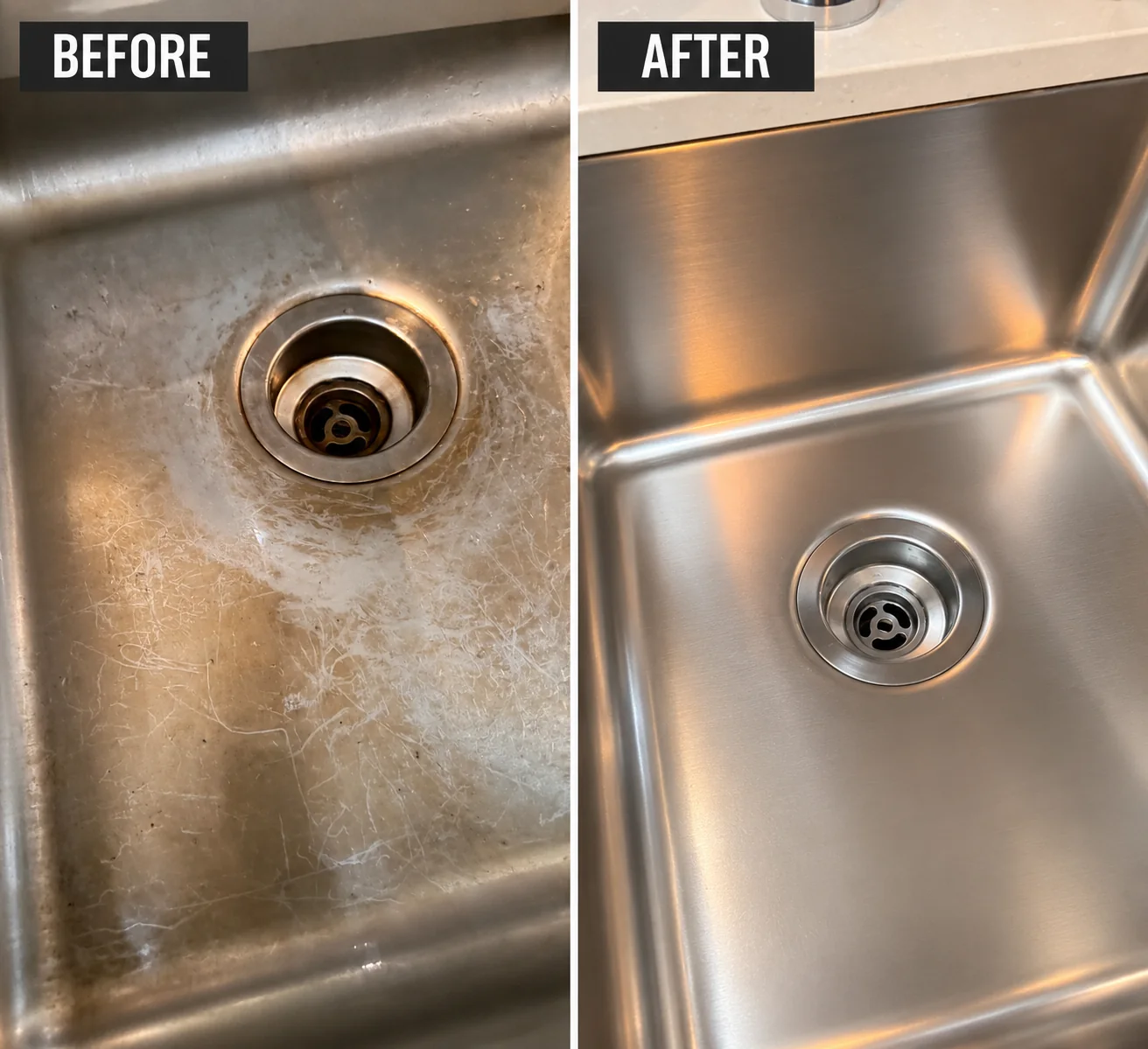
The spots that are easiest to forget are the ones hidden while you lived there: the inside of cabinets and appliances, the tracks under windows and shower doors, and the floor where the bed and the sofa stood. This is the list PavMa works from on a move-out clean, and it works just as well as a check if you are cleaning yourself.
Kitchen
- Cabinets and drawers, inside and outside
- Countertops, backsplash, sink and faucet
- Stove, cooktop and range hood
- Oven, refrigerator and microwave, inside and outside
- Baseboards and the floor along the cabinets
Bathrooms
- Toilet, sink, bathtub and shower
- Tile and grout, soap residue and normal limescale
- Shower glass and its tracks, mirrors
- Vanity cabinets, inside and outside
- The outside of the exhaust vent, doors, baseboards and floor
Every room, hallway and staircase
- Cobwebs, light fixtures and ceiling fans you can reach
- Baseboards, doors, door frames, switches and handles
- Windowsills, window tracks and air vents
- Closets and built-in storage, inside and outside
- Railings and stair steps
- Corners, then vacuuming and mopping every floor
Time the clean around the move, not before it
- After the movers. An empty unit opens up cabinets, closets, floors and baseboards that furniture covered for the whole tenancy.
- While the utilities are still on. A move-out clean needs running water and electricity, so close those accounts after the cleaning day.
- With the building's rules. In a condo or apartment building, book the elevator if the cleaners need it, and pass on the concierge and parking details.
- Knowing what stays. Say whether the fridge, stove and other appliances remain in the unit, so their insides are part of the plan.
- Before the key deadline. Leave time between the clean and the handover for a final walk through every room.
- Photos last. Dated photos of each room after the clean show the condition you handed over.
Booking the move-out clean
PavMa's move-in and move-out cleaning is planned for homes that are empty or nearly empty. The quote is free and based on the size and condition of the unit and any extras, and the scope is confirmed before the cleaning starts. Photos sent on WhatsApp are the quickest way to show what the unit needs, or you can use the quote form and mention the key deadline.
Questions tenants ask before moving out in Ontario
Do I have to clean the oven and fridge before I move out in Ontario?
The Residential Tenancies Act sets the standard as ordinary cleanliness rather than a list of appliances, and your lease may put some cleaning on the landlord, so read it first. Appliance interiors are where buildup shows most, which is why PavMa's move-out checklist cleans the oven, fridge and microwave inside and out.
Can my landlord keep a deposit to pay for cleaning?
Under section 105 of the Residential Tenancies Act, the only security deposit an Ontario landlord may collect is a rent deposit, so there is no separate cleaning or damage deposit. For undue damage caused wilfully or negligently, section 89 lets a landlord apply to the Landlord and Tenant Board for reasonable repair costs.
When is the best time to book a move-out clean?
After the movers have taken the furniture and boxes, and while the water and electricity are still on. An empty unit lets the cleaners reach the cabinets, closets, floors and baseboards that furniture covered, and it leaves time for a walkthrough before the keys go back.
Do I need to be there while the unit is cleaned?
Not necessarily. Share the access instructions when you book, including the elevator booking, concierge desk and parking for a condo or apartment building, and PavMa confirms the arrangement with you before the visit.